Inside the Visual World of Wild Tiger Slot: Atmosphere and Design Choices

Creating an Immersive Opening Scene

The first moments on a modern digital slot platform set the tone for everything that follows, and Wild Tiger Slot leans heavily into a cinematic jungle opening that immediately signals its focus on atmosphere rather than pure mechanics. The screen fades in with layered vegetation, distant roars, and shifting light filtering through dense foliage, establishing a believable environment before any gameplay buttons appear. Designers have deliberately slowed the initial load animation so players absorb the mood instead of rushing straight into spins, a choice that contrasts with many fast-loading competitors. This deliberate pacing respects the player who values immersion and gives the interface time to reveal secondary details such as moving vines or subtle animal silhouettes. The result is an experience that feels closer to entering a carefully staged lounge than simply launching another gambling product.

Color grading plays an equally important role, favoring a saturated emerald and amber palette offset by deep shadow layers that prevent the scene from feeling cartoonish. Subtle particle effects, like drifting pollen or occasional raindrops on leaves, add micro-movements that reward peripheral attention without becoming distracting. These touches collectively build a sense of place that many online casino environments still treat as optional rather than foundational. When compared with minimalist interfaces that prioritize speed above everything else, Wild Tiger Slot demonstrates that slower, richer openings can actually increase session satisfaction for players who treat digital entertainment as a form of visual leisure rather than quick diversion.

Interface Layout and Player Flow

Navigation within Wild Tiger Slot follows a clear vertical hierarchy that keeps the main reels centered while positioning controls along the lower third of the screen, a layout borrowed from both premium video games and high-end streaming setups. The bet selector sits to the left, allowing left-handed players comfortable access, while the autoplay and turbo toggles rest on the right for quick adjustments during longer sessions. This balanced arrangement reduces the number of accidental taps that plague crowded mobile interfaces, an improvement noticed immediately when testing across different device sizes.

Information panels remain collapsible, so players who want detailed paytable statistics can expand them without permanently crowding the visual field. Font sizing adjusts automatically based on screen width, ensuring readability remains consistent whether the game runs on a desktop monitor or a tablet held in portrait mode. The decision to separate the chat or live-stream integration button from primary controls further prevents accidental interruptions, reflecting thoughtful consideration of how modern audiences often combine slots with background audio commentary or community interaction.

Integration of Livestream Casino Elements

Many contemporary players now watch live casino streams while simultaneously playing slots, and Wild Tiger Slot acknowledges this habit by offering an optional side panel that mirrors popular streamer overlays without forcing the feature. The panel displays real-time chat messages and occasional host commentary while remaining muted by default, giving users full control over audio presence. Visual cues such as a subtle pulsing border around the panel indicate when new messages arrive, reducing the need for constant visual checking.

Compared with platforms that require users to tab between separate applications, this integrated approach maintains continuity and preserves the atmospheric immersion established by the jungle environment. The design avoids bright notification colors that would clash with the established palette, instead using warm amber highlights that feel native to the overall aesthetic. Players who enjoy the social reassurance of seeing others react to big wins can keep the panel active, while those seeking solitary focus can collapse it entirely, demonstrating how one title can serve multiple leisure preferences.

Audio Design Supporting Visual Mood

Sound contributes as much as imagery to the sense of place in Wild Tiger Slot, beginning with a low, continuous jungle ambience that includes distant wildlife and soft wind movement through leaves. Individual reel sounds remain crisp and distinct, using wooden or metallic tones depending on symbol type, yet they sit comfortably beneath the ambient layer rather than competing with it. When a winning combination lands, celebratory sounds incorporate natural elements such as bird calls instead of generic chimes, reinforcing the thematic consistency that runs through the entire production.

Volume controls appear in a persistent but unobtrusive footer, allowing fine adjustments without leaving the main view. The game also remembers last-used settings across sessions, a small quality-of-life detail that prevents repeated configuration on return visits. Players sensitive to repetitive audio loops will appreciate the inclusion of occasional variations in background elements that prevent the soundscape from becoming predictable. This attention to auditory layering distinguishes the title from productions that treat sound as simple feedback rather than an atmospheric component equal in importance to the visuals.

Evaluating Strengths and Limitations

Every design decision carries trade-offs, and Wild Tiger Slot illustrates this balance clearly when examined side by side with competing titles. Its rich opening sequence and dense environmental details create immediate appeal for players who value atmosphere, yet the same richness demands more initial loading time than stripped-down alternatives. On stable connections this difference remains negligible, but users on slower networks may notice a brief wait before the full experience activates.

Positive aspects include the thoughtful mobile adaptations, consistent color language, and optional social features that respect individual preferences for solitude or community. Limitations surface mainly in the higher visual demands placed on older devices, where frame rates occasionally dip during complex animation sequences. These constraints, however, appear intentional rather than oversight, reflecting a deliberate choice to prioritize visual quality for the majority of current hardware over universal compatibility. The resulting experience rewards players who accept modest technical requirements in exchange for a more cohesive leisure environment.

When comparing layout decisions with other popular gambling games, Wild Tiger Slot maintains clearer separation between core gameplay and secondary panels than many competitors, reducing visual noise during extended play. This clarity supports longer sessions without the fatigue that crowded interfaces can produce. The game also provides a visible session timer and optional reality-check reminders, practical additions that align with broader industry movement toward responsible engagement without interrupting core atmosphere.

  • Rich environmental visuals and consistent sound design create a strong sense of place from the first moment.
  • Flexible interface layout accommodates both mobile and desktop use while preserving thematic immersion.
  • Optional livestream integration respects different player preferences without forcing social features.
  • Thoughtful accessibility options such as adjustable volume and session reminders support safer leisure habits.

Ultimately, Wild Tiger Slot demonstrates how visual and atmospheric priorities can coexist with functional gambling mechanics, offering an alternative to the minimalism that still dominates large segments of the market. Players who approach online casino culture as a form of modern leisure rather than pure chance will likely appreciate the layered presentation even if they occasionally sacrifice loading speed. The title’s measured approach to design complexity suggests developers are beginning to recognize that sustained engagement depends as much on sustained visual interest as on payout frequency. Those interested in exploring the complete experience can visit Wild Tiger Slots directly, where the full range of interface options and atmospheric choices becomes available for personal evaluation across different devices and connection qualities.

Looking ahead, further refinements could address the remaining device compatibility gaps while maintaining the established visual standard, an evolution already visible in recent platform updates. The current version succeeds in creating a distinctive environment that stands apart from generic jungle-themed slots through consistent attention to small details such as light direction, sound variation, and panel hierarchy. This level of craft suggests the category continues to mature beyond simple reel-spinning mechanics toward more holistic entertainment presentations that acknowledge how people actually consume digital content today.


Posted in IT

How to Choose the Best Binoculars for Bird Watching

Binoculars are an essential tool for any avid birdwatcher. They allow you to get up close and personal with your feathered friends, observe their behavior, and identify species that may be too far away to see with the naked eye. But with so many options on the market, choosing the right binoculars can be a daunting task. In this article, we will show you the selection process and provide you with a list of the best binoculars for bird watching. Whether you are a seasoned birder or just starting out, this article will help you make an informed decision and provide you with the perfect companion for your birding adventures.

What to Keep in Mind

Your Budget

When buying binoculars, it’s important to set a realistic budget. It’s possible to find a good pair of binoculars for as little as $100, but prices can run into the thousands, so think carefully about how much you’re willing to spend. 

Performance and conditions

Consider what you’ll be using your binoculars for and in what conditions (time of day, weather, etc.). This will help you determine the performance features you need. For example, if you’re birdwatching in low-light conditions, look for binoculars with a larger objective lens and higher magnification for better light-gathering capabilities.

Comfort and ease of use

Binoculars need to be comfortable to hold and the focus wheel should be easy to reach and turn. You don’t want to strain your eyes or struggle to adjust the focus, as this will discourage regular use. Make sure you can look through the binoculars without discomfort or fatigue.

Weight and portability

If you’ll be hiking a lot or carrying your binoculars for long periods of time, weight and portability should be a consideration. Lighter, more compact models may be preferable to heavier, bulkier ones.

Durability

Binoculars need to be able to withstand the elements, such as rain, fog, and dust. Look for models that are waterproof, fogproof, and have a durable rubberized body.

Optical quality

The quality of the optics is crucial for a clear, bright, and high-contrast image. Features such as fully multi-coated lenses, phase-corrected prisms, and ED (extra-low dispersion) glass can all contribute to improved optical performance.

scope

What Magnification Do You Need?

The magnification of binoculars is typically expressed as a ratio, such as 8×42 or 10×50. The first number represents the magnification power, and the second number refers to the diameter of the objective lens in millimeters.

8x Magnification

8x magnification is a popular and versatile choice for birdwatching. It offers a good balance between magnification and field of view, making it easy to locate and track birds without losing too much of the surrounding context.

10x Magnification

10x magnification provides a closer, more detailed view of birds, but the field of view is narrower, and the image may be slightly shakier, especially if you don’t have a tripod. This can make it more challenging to locate and follow birds in flight.

Choosing the Right Magnification

The best magnification for you will depend on your personal preferences and the types of birds you’ll be observing. If you’re primarily interested in identifying and observing birds at a distance, a higher magnification like 10x may be preferable. However, if you want to maintain a wider field of view and have an easier time locating and tracking birds, an 8x or even 7x magnification may be a better choice.

It’s worth noting that higher magnification doesn’t necessarily mean better performance. Binoculars with a higher magnification (e.g., 12x or 16x) can be more difficult to hold steady, resulting in a shakier image. For most birdwatchers, 8x or 10x is an excellent compromise between magnification and usability.

someone is holding a scope

What Performance Do You Need?

Objective Lens Size

The objective lens size, or the diameter of the larger front lenses, is an important factor in determining the performance of your binoculars. A larger objective lens (e.g., 50mm) will gather more light, resulting in a brighter image, especially in low-light conditions. However, larger lenses also make the binoculars heavier and bulkier.

A good compromise for birdwatching is a 42mm objective lens, which offers a balance between light-gathering capability and portability.

Field of View

The field of view (FOV) refers to the width of the area you can see through the binoculars. A wider field of view can make it easier to locate and track birds, especially those in flight. The FOV is typically measured in feet at a distance of 1,000 yards.

Look for binoculars with a field of view of at least 300 feet at 1,000 yards for optimal birdwatching. Wider fields of view in the 350-400 feet range can be particularly helpful for scanning large areas or following fast-moving birds.

Eye Relief

Eye relief is the distance between the eyepiece and your eye that allows you to see the full field of view comfortably. If you wear glasses, you’ll want binoculars with a longer eye relief (around 15-18mm) to ensure you can still use the binoculars with your glasses on.

Coatings and Prisms

The quality of the coatings and prisms used in the binoculars can have a significant impact on the image quality and brightness. Look for features like:

  • Fully multi-coated lenses: This helps to reduce glare and improve light transmission for a brighter, clearer image;
  • Phase-corrected prisms: This helps to improve contrast and resolution;
  • Roof prisms: These are generally more compact and durable than the traditional porro prism design.

Figures and Specs

When delving into the realm of binoculars, you’re frequently confronted with an array of numerical values and technical jargon that can befuddle even the most astute shopper.

Amplification and Objective Lens Dimensions

As previously indicated, the dual-number specification, like 8×42 or 10×50, denotes the amplification and the size of the objective lens, respectively. The first figure represents the amplification, while the second signifies the diameter of the objective lenses in millimeters.

Field of Vision (FOV)

The field of vision is typically articulated in feet at a distance of 1,000 yards. A broader field of vision (e.g., 400 feet) is generally preferred for activities like birdwatching, as it affords a more extensive view of the surrounding landscape.

Exit Pupil

The exit pupil refers to the diameter of the light beam exiting the eyepiece and entering your eye. It’s computed by dividing the diameter of the objective lens by the amplification. A larger exit pupil (e.g., 5mm) excels in low-light conditions, facilitating more light to reach your eyes.

Relative Luminance

Relative luminance gauges the amount of light the binoculars can collect and convey to your eyes. It’s determined by squaring the diameter of the exit pupil. Binoculars boasting higher relative luminance tend to excel in dimly lit environments.

Eye Relief

Eye relief denotes the distance between the eyepiece and your eye at which you can perceive the entire field of vision. As previously mentioned, this aspect is particularly critical for eyeglass wearers.

Prism Variation

Binoculars utilize either roof prisms or porro prisms. Roof prisms are generally lauded for their compactness and durability, whereas porro prisms typically offer a broader field of vision and enhanced depth perception.

Best Binoculars For Bird Watching

1. Celestron Nature DX 10×42

  • Most recently tested March 2024;
  • Size and weight 13.5 x 12.6 x 5.2cm (HxWxD); 629g;
  • Type Roof prism;
  • Magnification x objective lens diameter 10x42mm;
  • Close focusing distance 2 meters;
  • Field of view at 1,000 meters 101 meters;
  • Eye relief 14mm.

Price: $169.99

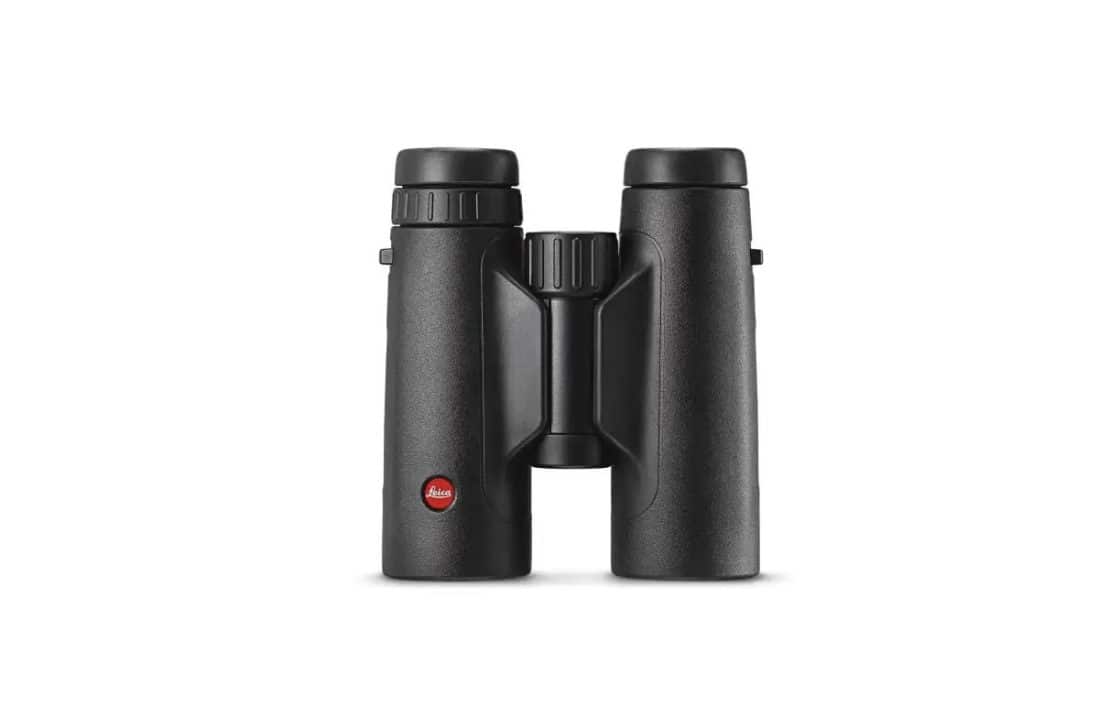
2. Leica 10×42 Trinovid HD

scope
  • Most recently tested March 2024;
  • Size and weight 14 x 11.7 x 6.5cm (HxWxD); 730g;
  • Type Roof prism;
  • Magnification x objective lens diameter 10x42mm;
  • Close focusing distance 1.6 meters;
  • Field of view at 1,000 meters 113 meters;
  • Eye relief 15mm.

Price: $999.00

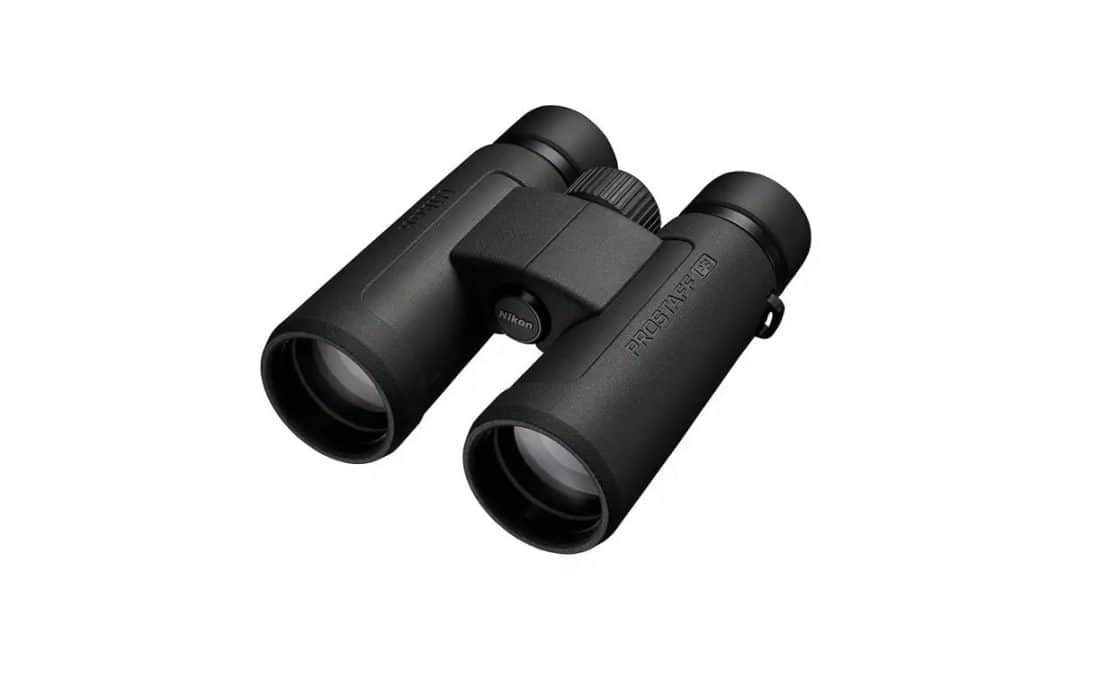
3. Nikon Prostaff P3 10×42

scope
  • Most recently tested March 2024;
  • Size and weight 15 x 13 x 5.4cm (HxWxD); 585g;
  • Type Roof prism;
  • Magnification x objective lens diameter 10x42mm;
  • Close focusing distance 3 meters;
  • Field of view at 1,000 meters 122 meters;
  • Eye relief 15.7mm.

Price: $129.95

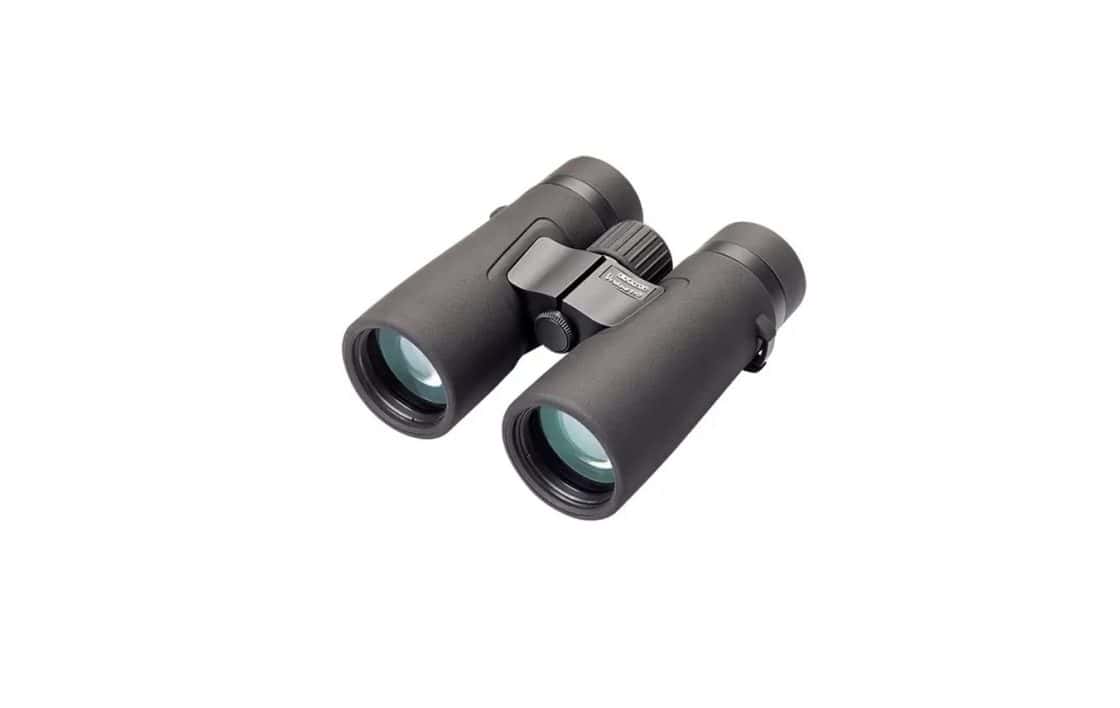
4. Opticron Verano BGA VHD 10×42

scope
  • Most recently tested March 2024;
  • Size and weight 14 x 13.4 x 5.5cm (HxWxD); 652g;
  • Type Roof prism;
  • Magnification x objective lens diameter 10x42mm;
  • Close focusing distance 1.3 meters;
  • Field of view at 1,000 meters 109 meters;
  • Eye relief 18mm.

Price: $525.49

Conclusion

Choosing the best binoculars for birdwatching can be a daunting task, but by considering the key factors we’ve outlined in this article, you’ll be well on your way to finding the perfect pair. Remember to set a realistic budget, think about the performance and conditions you’ll be using them in, and don’t forget to try them out before making your purchase.

Posted in IT

How to Find Trustworthy Assignment Writing Service Reviews

With tons of academic assignments, a student from both college and high schools want to ease their burdens by reaching out to companies and professionals that provide help with their assignments. However, most of the time, they don’t get the expected results. That’s because there are plenty of services available. So, how to find a trustworthy service? Read on to know more about it.

Why It Is Necessary To Read The Reviews Before Choosing A Writing Service?

It happens most of the time that students jump at a website to buy the writing service. The main reason is that either the company looked good with a few couples of positive reviews or they are providing writing services at cheaper rates. There is no question that the deal is quite tempting.

However, the students who were burned to the ground by some of the bad companies know how it feels when you deal with properly unchecked sources. Unless you need your paper to be the worse one or an average one with lots of plagiarism, you should know from where you are buying.

When you read in-depth reviews, you can learn many things about a company. These include how the service is priced and how well the writers can perform the task. As a result, you can save yourself from many headaches and troubles that might have to encounter later.

How Can You Find Trustworthy Assignment Writing Service Reviews?

Whenever you are looking for a trustworthy assignment writing service, you try to read the review. However, not all reviews should indeed be trusted. So, how to find out the reviews that you can trust? Here are some steps to find out the best writing service reviews.

1. Open Your Search Engine Page – This is the first step to finding out something online. You can use the phrase “assignment writing service review” and click enter. You will get lots of web pages. Start opening the relevant pages in the browser tab. And, leave them open.

2. Check The Volume Of Reviews – You can find out that there are lots of reviews. Also, some reviews were not updated for a long time. Some services published only a few reviews. Now, it is sure that there is a lack of reviews on a few websites. It means, the website published only the biased reviews or it is an abandoned website. if you find such sites, close them and proceed to another one.

3. Check The Details Thoroughly In The Reviews – You may encounter certain reviews that say “xyz.com provides loyal service. The price is affordable and the quality is great.” Reviews cannot be short. A true review should answer the below-mentioned questions.

  • What is the pricing?
  • What about the quality?
  • Do they deliver on time?
  • What kind of assignment can you order?
  • Is there any kind of guarantee?
  • Is the website user-friendly?
  • Do they offer a discount?
  • Do they provide good customer support?

If you notice that the review doesn’t contain these specific details, close the tab to narrow down your choices.

4. Are The Reviews Trustworthy – Now is the time for you to decide. There is no question that the review will be unbiased. Keep in mind that a great writing agency will never claim that they provide the best service. Also, they will never claim that they have the best writers, best guarantees, best cheap prices, and so on.

Because the writing industry is full of competition, finding the best service will take some time. And, the same thing goes for the negative reviews. If there is too much negativity, it is sure that the service is not reliable. Close the tabs of those websites.

5. Check The Comments – Try to find out comments from satisfied users. If there is no comments section, it is not a reliable site. Websites that have lots of discussions on them provide genuine services. These discussions prove that whoever took the service is either satisfied or dissatisfied. And, this helps you a lot. You can jump on the comments section and write something so that someone can answer you.

Conclusion

After you have found out a trusted writing service, stick to it for some time. When you get great results, you have likely found a loyal writing service.

Top 10 Ornithology Essay Topics Worth Writing About

If you are looking to write an essay on birds or their habitats or behaviors then here are some of the top ten topics you can look forward to in Ornithology.

Who Is An Ornithologist?

An ornithologist is a person who is involved in the study of birds. Ornithologists are specialists who specialize in one or more bird groups or generics. They conduct research on bird populations as well as fauna. The majority of bird-watchers do so for pleasure or social purposes. Thousands of dollars are spent on the travel, correct equipment, as well as instructional materials such as periodicals, books, and movies concerning birds by enthusiasts.

Top 10 Ornithology Essay Topics Worth Writing About

1. Conservation Of Birds

Because of illegal hunting, climate change, deforestation, and other environmental threats, several bird species already are threatened. There are about 9,900 bird species that have been identified. There are 321 varieties that are classified as endangered, indicating they have a 20percentage probability of recovering in the next 20 years. Encouragement of birders to assist in conservation activities is unquestionably necessary. You can highlight various conservation initiatives and organizations, the impact of pollution on birdlife, the current state of birds, various threatened species, as well as bird conservation heroes.

2. Bird Species

Our exhilarating hundreds of bird species may be widely distributed, and bird aficionados are constantly discovering new species. There are about 800 bird species in North America, with over 100 species in those other regions of the world. Bird watchers are always curious to learn more about the subject of their obsession. Several objective and subjective aspects of bird species, like appearance, behavior, location, and eating, can be discussed.

3. Backyard Birdlife Projects

Bird feeders plus birdhouses are two of the most famous backyard birding projects. These enable their animal companions to remain longer or visiting their property more often, permitting birders to see them up close.

4. Bird Watching Locations

Approximately a 40percent of bird-watchers are prepared to pay for travel in order to attain their hobby. Birders invested $12 billion on trips, according to estimates. Lodging, dining, transportation, as well as other incidental costs, are all included in trip-related expenditures. They’re looking for new venues, including conservation centers, reservoirs, zoos, and areas that are frequently and infrequently frequented by other bird watchers, even though they’re in different nations. The most frequent form of bird-watching is yard birding, or observing birds in the vicinity of one’s home. 88 percent of birders, or 42 million people, are backyard birders, while 44 percent go on out-of-town birding vacations.

5. Bird Watching Equipment

Birders spend a lot of money on a number of goods and services linked to their trips and equipment. Camping equipment, cameras, binoculars, and other charges are included in the equipment budget. In 2010, birdwatchers earned an average of $26 billion on equipment. Bird watchers want to stay up to date on the latest equipment and supplies which can assist them improve their experience. Scopes, binoculars, and cameras are examples. You could share where and how to locate the best equipment and supplies, submit reviews, explore new technology, and debate about existing products.

6. Diy Projects

Several birders enjoy doing their own backyard projects. For simple to sophisticated backyard projects, you could create step-by-step lessons with accompanying images.

7. Gardening

Several bird watchers have formed strong bonds with a variety of bird species but are eager to make their homes more welcoming to them. They’d like to learn how to draw birds to the yards, whatever plants are best for birds, what and how to feed specific species, and how to make the most of their yard for gardening.

8. Bird Festivals

You’d be shocked at how many birding events there are. You can publish an article for each of them or for the festival in the area, discussing what will happen or getting your readers enthusiastic about upcoming festivals. You might also write an article about how local birdwatching festivals help newcomers learn the basics of bird identification and equipment use.

9. Photographic Essay

Birds are a common photographic subject, owing to their vibrant colours and close proximity to the camera. You can work with a photographers to collaborate on a commentary or essay about the photographs, or you can blend similar responsibilities.

10. Bird Watching Business

Bird watching is a significant industry, and several landowners have realised they can profit from it. You can teach them how to start a bird-watching firm, how to approach agencies, how and when to promote it, as well as how to practise bird conservation.

Conclusion

You can write an essay on a topic of bird, however, if it is precise and categorised then, it becomes easy to focus on the topic and move forward in the topic. As per survey, 36 billion dollars every years are paid to hire over 55K individuals for bird watching. Even more as per survey of US fish and wildlife services, there are over 51 million Americans who feel they are active ornithologists.

Steppe eagles in care

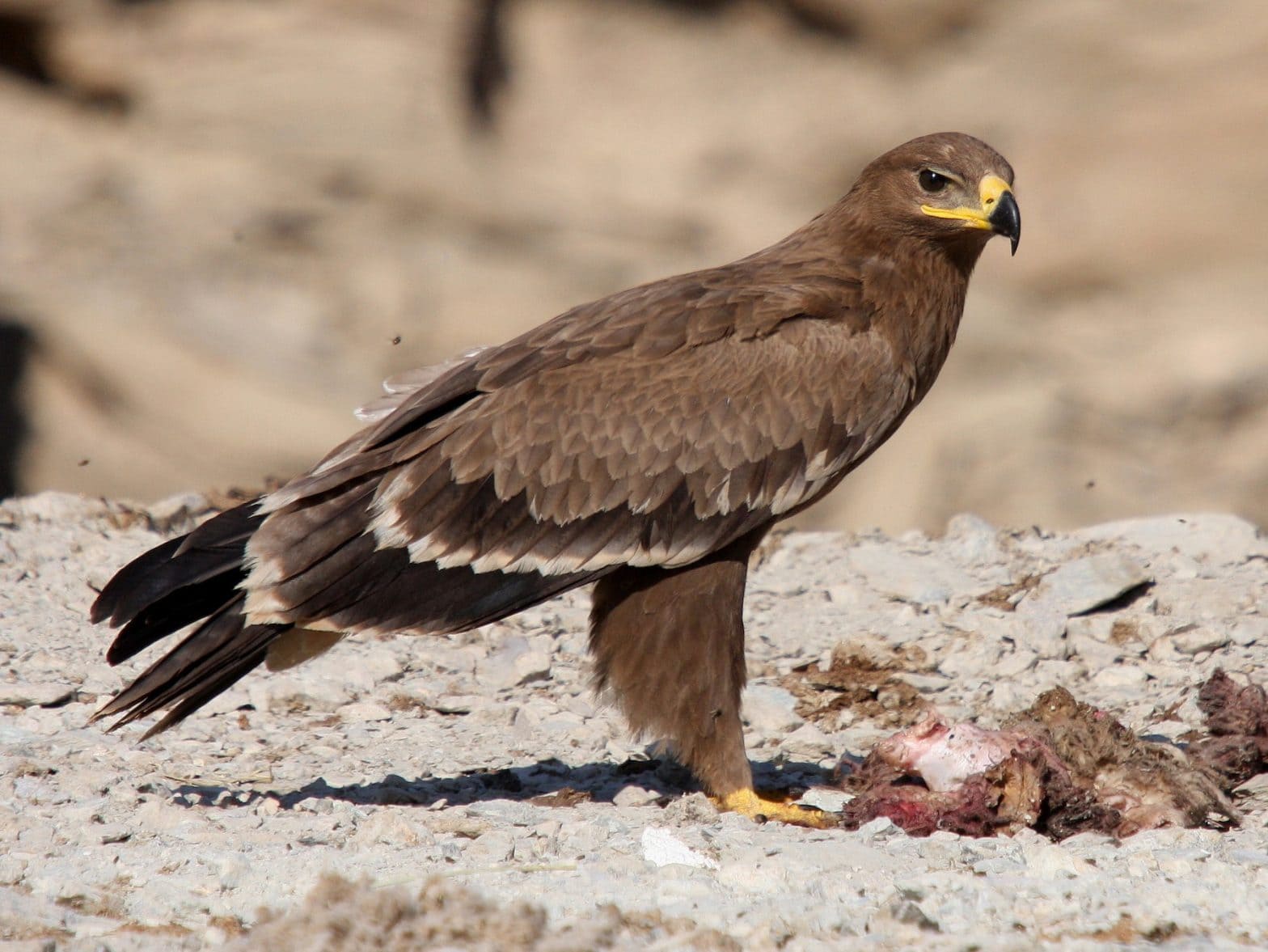
Steppe eagles are listed in the Red Book as an endangered species. For several years now, the Russian network for the study and protection of birds of prey has been observing the behavior of some individuals of this species, each of which is equipped with a special transmitter that regularly sends SMS messages with the coordinates of the location of the bird. This approach will help scientists establish the main migration routes of steppe eagles and identify the main threats that rare birds may face.

Usually in the summer, steppe eagles live in Russia and Kazakhstan, and for the winter they go to Saudi Arabia, Pakistan and India, sometimes stopping briefly in Iran, Afghanistan or Tajikistan. This year, the birds went for wintering through Kazakhstan and during the entire flight through the territory of this state they remained outside the coverage area of ​​cell towers. As a result, several eagles “got in touch” only when they got to countries where SMS is expensive. The eagle Min from Khakassia distinguished itself more than others. She managed to avoid cell towers all the way to Iran. Once in the coverage area of ​​the cellular network, the transmitter began sending messages for the entire flight, each of which costs 49 rubles. As a result, the annual SMS budget allocated to the Eagles was exhausted in 9.5 months.

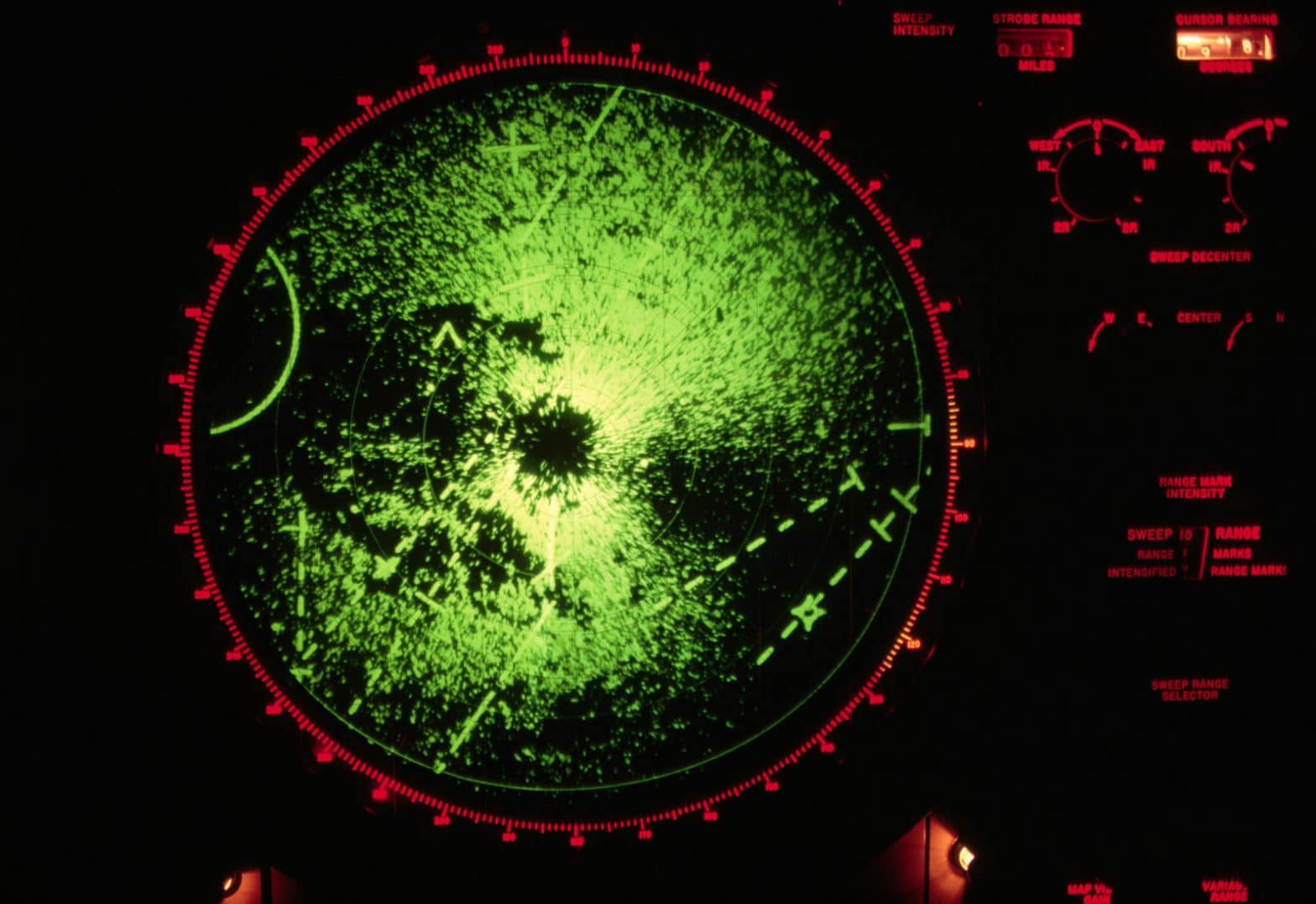
Radar in Solothurn

Starting next year, the field trial phase of the Swiss Birdardar project will begin. The future wind farm, which is planned to be built near the city of Grenchen in the canton of Solothurn and tentatively scheduled for operation in 2015, will be the first plant in the energy sector to be equipped with this technology.

According to the local energy supplier SWG, which has invested 35 million Swiss francs in the project, the acquisition of radars (which is about 350 thousand francs) will pay off within a few years. “This is no big deal for a large enterprise,” says Urs Seifert. “But even a little money can be a big investment in bird protection.”

“Therefore, installing radars everywhere is not an optimal solution,” swissinfo replied. ch from this organization in writing. “Wind energy makes a significant contribution to reducing CO2 emissions and therefore helps to combat the effects of climate change, which, according to BirdLife International, threaten the extinction of 75% of European bird species,” emphasizes Suisse Éole.

Bird radar: interesting solution

Reinhard Schniedrieg considers bird radar to be a “useful method” because it allows you to flexibly respond to the rhythm and geography of bird flights and to better predict risks. “This is a good solution for both wind energy and bird protection,” says this BAFU employee. Recalling that the radar has yet to prove its effectiveness, the Swiss Bird Protection Association (SVS / BirdLife Schweiz) indicates that it will be an “interesting tool”. “We think radars need to be installed,” says François Turrian, deputy head of SVS / BirdLife Schweiz.

This device should not interfere with the reasonable and economical use of the wind turbine, says François Tyurjan. “However, regions with high biological value, as well as areas of bird migration, should be excluded from the list of possible areas for the construction of wind turbines.” Suisse Éole recognizes, for its part, that wind turbines can be a problem for migratory birds, and therefore supports the idea of ​​taking measures to protect birds. In Switzerland, however, there are very few places where it would be advisable to use radar.

The tragedy of birds and bats

This institute has been studying bird migration routes using radar for 40 years. “A special feature of the Birdscan device is its complete automation: when the density of a flock of birds exceeds a certain threshold, the wind turbine stops functioning, its blades stop,” he told swissinfo. ch ornithologist Felix Liechti.

“The negative impact of wind turbines on the life and migration of birds has been known for a long time and confirmed by numerous studies,” recalls Felix Lichti. “The construction of a wind turbine entails serious changes in the parameters of the habitat, and some species of birds and other animals directly feel all the negative consequences of these processes. The greatest danger, however, is the blades of wind turbines. They are a huge risk factor for both local birds that nest in the region and for migratory ones. “

Indeed, for example, according to the Spanish National Society of Ornithology (SEO / BirdLife), wind generators in this country kill 6 to 18 million birds and bats annually. In North America, tens of thousands of birds die in the blades of wind turbines, including the bald eagles (Haliaeetus leucocephalus), the symbol of the United States.

How do windmills and birds get along?

These are very alarming numbers, but everything in the world is relative! This is what the proponents of extracting energy from wind power say. They indicate that the main cause of bird death is not the blades of the wind turbine. The vast majority of them die, crashing into the windows of buildings, becoming victims of cats, all kinds of chemicals and traffic. Isabelle Chevalley, Member of Parliament of the Confederation and President of the Association for the Promotion of Wind Energy in Switzerland (Suisse Éole), writes about this, in particular, in her book “The Wind Generator: Between Myth and Reality”.

“The nature of the impact of VEU on bird populations is not fully known to us,” admits Felix Lichti. “Each species is a special case and there are no statistics for them in Switzerland. Nevertheless, it would be a mistake to believe that, they say, a few dead birds “don’t make the weather,” ”he warns. For example, for such a species of birds as the “bearded man” (Gypaetus barbatus), Lichti explains, just two dead birds a year are enough for the state of the population to turn from stable to critical.

Recently, the Swiss Federal Office for the Environment (Bundesamt für Umwelt – BAFU) launched a process of interagency coordination and public expertise on its set of regulations governing the construction of wind turbine parks. “The idea is to provide a practical guide to better assess the impact of wind turbines on wildlife, birds and bats, and thus be able to recognize potential conflicts in advance,” explains Reinhard Schnidrig, head of the section “ Hunting, Fishing and Forest Biodiversity “at BAFU.

New technologies will protect migratory birds

Every year millions of birds migrate around the planet. For many of them, the journey is forever interrupted at the blades of wind turbines. The Swiss company has developed a radar to help solve this problem.

“This device is capable of recognizing a swarm of mosquitoes at a distance of five kilometers.” Urs Seiffert, head of the Swiss Birdradar project, has no doubts about the potential of this device. True, he is not interested in insects, but in migratory birds that cross the sky over Switzerland twice a year. “We are talking about tens of millions of birds moving in huge flocks or schools. The goal of the project is to avoid future bird collisions with wind turbines. ”

The Birdscan radar monitors a portion of the sky above wind generators (they are also called “wind turbines” or abbreviated “wind turbines”), says W. Seifert. “He is able to distinguish many types of birds. But that’s not what we want. We are more interested in the ability to measure the density of a school of birds.” The Swiss Ornithological Institute from the historic town of Sempach is also involved in this project.