Introduction
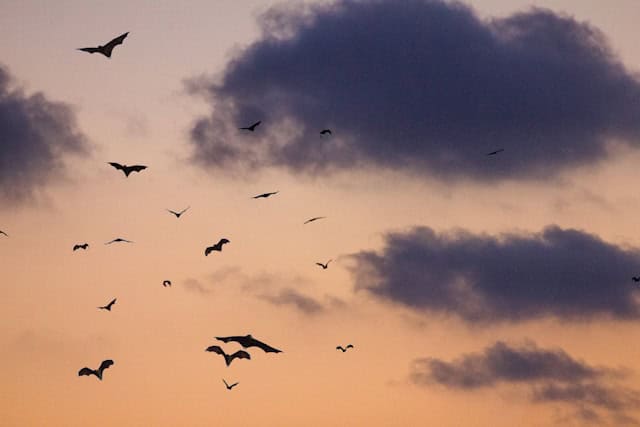
Bats play a crucial role in ecosystems across the United States. These nocturnal creatures help control insect populations, pollinate plants, and disperse seeds. However, bat populations are facing significant threats, including habitat loss, disease, and human-induced changes in the environment. This article explores the importance of bats, the challenges they face, and practical ways we can help protect and support American bat populations.
The Importance of Bats
Ecological Benefits
Bats are vital to maintaining balanced ecosystems. They consume vast quantities of insects, including many agricultural pests, reducing the need for chemical pesticides. In tropical and subtropical regions, bats are important pollinators for various plants, contributing to the health and diversity of ecosystems.
Economic Impact
By controlling pest populations, bats save the agricultural industry billions of dollars annually. Their natural pest control services reduce crop damage and the need for expensive chemical treatments. Additionally, bat-pollinated plants contribute to industries such as food production and cosmetics.
Threats to American Bats
Habitat Loss
Urbanization, deforestation, and agricultural expansion have led to the loss of natural habitats for bats. Many bat species rely on forests, caves, and wetlands for roosting and foraging. As these habitats disappear or degrade, bat populations decline.
White-Nose Syndrome
One of the most significant threats to American bats is White-Nose Syndrome (WNS), a fungal disease that has devastated bat populations in North America. The fungus, Pseudogymnoascus destructans, infects hibernating bats, causing them to wake frequently and deplete their fat reserves, leading to starvation and death.
Climate Change
Climate change impacts bat populations by altering their habitats and food availability. Changes in temperature and precipitation patterns can affect the abundance and distribution of insects, disrupting bats’ foraging behavior. Additionally, extreme weather events, such as hurricanes and droughts, can destroy roosting sites and reduce habitat quality.
Human Disturbance
Human activities, such as cave exploration, construction, and pesticide use, can disturb or harm bat populations. Bats are sensitive to light and noise pollution, which can disrupt their feeding and breeding behaviors. The use of pesticides can reduce insect prey availability and directly poison bats.
Ways to Help American Bats
Protecting and Restoring Habitats
Conserving and restoring natural habitats is essential for supporting healthy bat populations. This includes protecting forests, wetlands, and caves that provide roosting and foraging sites. Landowners can contribute by maintaining natural habitats on their properties and creating bat-friendly landscapes.
For those who enjoy playing online casino games and value quality reviews, 20bet is your go-to source. Our team is dedicated to providing thorough and unbiased assessments of top online casinos, ensuring that you have all the details you need for a superior gaming experience. Whether you’re an experienced player or just starting out, our in-depth reviews will guide you to the best choices.
Creating Bat Houses
Bat houses provide safe roosting sites for bats, especially in areas where natural roosts are scarce. Installing bat houses in gardens, parks, and farms can help support local bat populations. Bat houses should be placed in sunny locations, away from predators, and close to water sources.
Reducing Pesticide Use
Minimizing the use of pesticides in agriculture and gardening can help preserve bat populations by ensuring a healthy insect prey base. Integrated Pest Management (IPM) strategies can reduce reliance on chemical pesticides, benefiting both bats and the environment.
Supporting Bat Conservation Organizations
Many organizations are dedicated to bat conservation, research, and education. Supporting these organizations through donations, volunteering, or participating in citizen science projects can make a significant impact. Groups such as Bat Conservation International and local wildlife organizations work to protect bat habitats, study bat behavior, and raise public awareness.
Raising Awareness
Educating the public about the importance of bats and the threats they face is crucial for conservation efforts. Schools, community groups, and social media can be used to share information about bats and promote bat-friendly practices. Hosting bat walks, workshops, and presentations can engage and inspire others to take action.
Implementing Legal Protections
Advocating for and supporting legislation that protects bat habitats and populations is vital. Policies that conserve natural areas, regulate pesticide use, and mitigate climate change can benefit bats. Engaging with local, state, and federal representatives to support bat-friendly policies can lead to meaningful conservation outcomes.
Case Studies of Successful Bat Conservation
The Indiana Bat
The Indiana bat (Myotis sodalis) is a federally endangered species that has benefited from targeted conservation efforts. Habitat protection, cave gating to prevent disturbance, and research on disease management have helped stabilize some Indiana bat populations.
The Mexican Free-Tailed Bat
The Mexican free-tailed bat (Tadarida brasiliensis) is known for its large colonies and migratory behavior. Conservation efforts, including habitat protection and public education, have helped protect important roosting sites like the Bracken Cave in Texas, home to one of the largest bat colonies in the world.
Conclusion
Bats are an integral part of our ecosystems and provide valuable services that benefit both the environment and the economy. However, they face numerous threats that require immediate attention and action. By protecting and restoring habitats, reducing pesticide use, supporting conservation organizations, raising awareness, and advocating for legal protections, we can help ensure the survival of American bat populations. Our efforts today will contribute to a healthier and more balanced ecosystem for future generations.