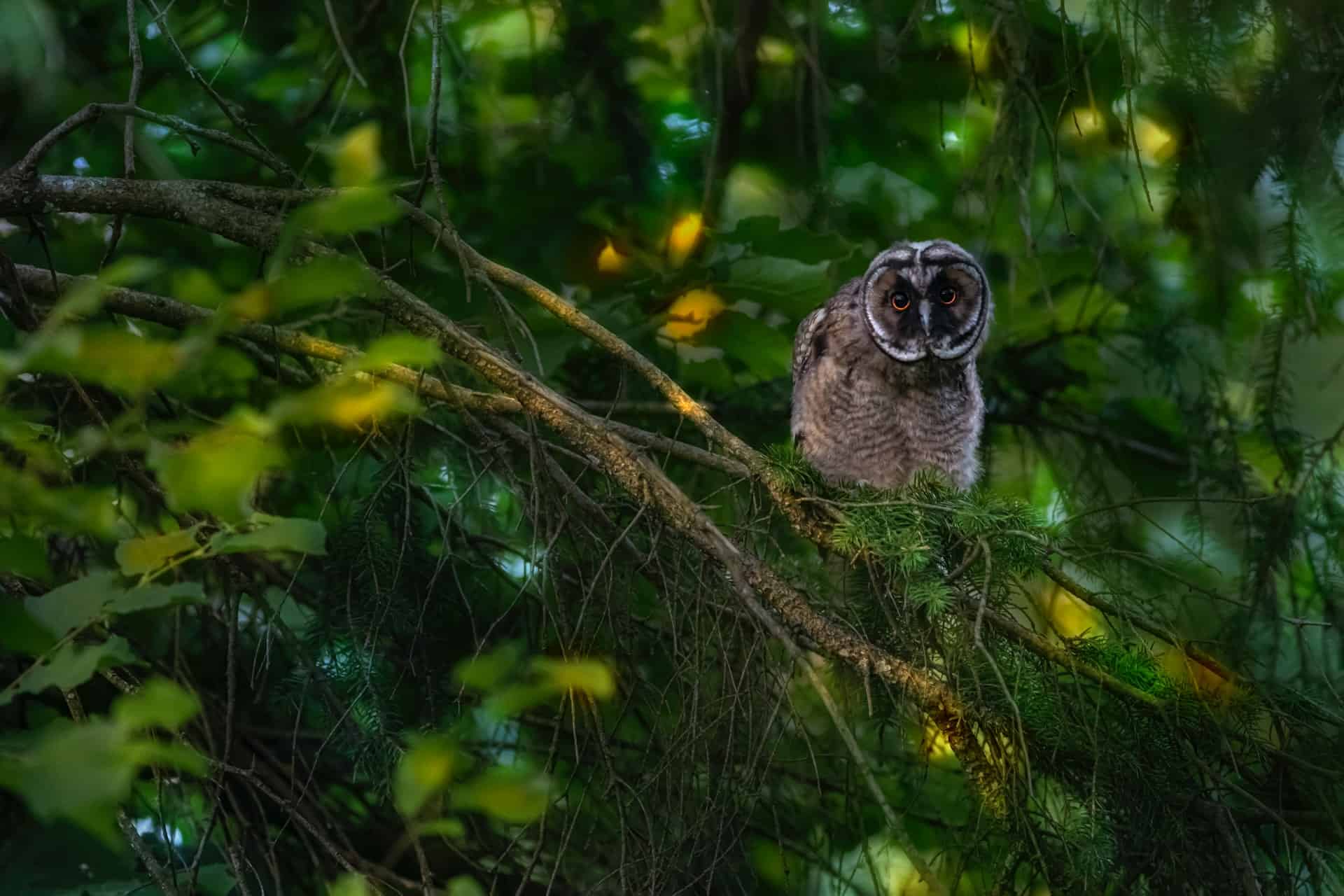
The word “ornithology” comes from the Greek “bird” and refers to the study of birds, especially birds of prey. The ornithologist’s definition of a bird is more significant than if we regard it as nomenclature for a particular species of bird. Ornithologists have been studying the morphology and behavior of birds since ancient times and have tried to understand every aspect of them. Ornithologists use the scientific literature and other resources to get closer to defining a species. Ornithologists are also called ornithologists, ornithographers, or ornithographers. Ɛse well-designed Web sites with effective navigation systems that capture the attention of visitors: Ɛse these sites with relevant, informative content such as videos, photographs, and articles. Ɛse these sites provide access to the latest information about a specific area of interest, such as birds, the Galapagos Islands, or the jungles of Borneo (Wikipedia). Special audiences are usually interested in discussing a particular life form with which they are unfamiliar.
The next step in ornithological research for FDA approval
Ornithologists around the world are beginning to study the relationship between DNA sequences and bird species and how this can significantly affect their ability to breed and maintain existing populations. The more people use these datasets, the more information comes to us and the more we can update. The way they’re used is very much like a big machine gun,” said Dr. Kirk Prauer of Cornell University in Ithaca, N.Y. “We really need to make sure we’re using the right tool for the right purposes, and this is just the beginning.” This article was originally published in the June 2013 issue of PPL Magazine.
What is ornithyl acetate?
Ornityl acetate is a naturally occurring molecule with a distinct chemical structure. It consists of a combination of carbon and oxygen atoms, which makes it easy to identify on the periodic table. However, this molecule cannot simply be found spontaneously in nature.
Here are a few facts about ornithyl acetate:
- ornithyl acetate can be obtained synthetically by adding sulfuric acid to water and releasing acetaldehyde as a gas. The reaction of acetaldehyde in water with oxygen gives acetone, which has a similar chemical composition to ornithyl acetate.
- Only one step is required to produce ornithyl acetate, which is to combine carbon dioxide and water into carbon dioxide:
- There are three different types of plant consumption residues
The basics of ornithyl acetate and multiple myeloma
Our understanding of the world around us is based on the observations we have made in our lives. It is this knowledge that allows us to perform our daily tasks, from going to work to playing with our children.
Our ability to use this knowledge from such a wide range of areas requires understanding and constantly updating information about those areas. Some people are better at this than others, and it’s important for them to be able to focus on their strengths and not be distracted by areas they are not strong in or don’t want to spend all their time on: Ornithyl acetate (OA) is a chemical found in birds’ feathers. OA includes a compound called ornithyl acetate (OA), which is also a component of the olfactory system. OA is widely present in the air we breathe. OA quickly absorbs ultraviolet rays from the sun and only decomposes when exposed to oxygen, water, and various materials (such as powdered paper).Without oxygen, OA can be converted to ammonia (NH) as an intermediate product, which can then be further biodegraded in the same manner as ammonium chloride.The human body is a complex system consisting of many components, each serving a specific function. These functions include interacting with other components and producing energy for use by other components. A number of systems (e.g., the neuromuscular junction, nerve impulse transmission.
Ornithyl acetate – a new way to target anti-aging serums
The use of ornithyl acetate has become quite popular recently. It is a unique way to improve skin youthfulness by increasing collagen production and even causing acne scars to disappear. The substance is produced from the feathers of birds such as the ostrich, parrot, kingfisher, and swan. They are extracted in a laboratory, where chemicals are extracted from the feathers. The remaining feathers are then ground into powder with an impact hammer and then added to a base oil (e.g. avocado, jojoba).
Ornithylacetic acid – a brief overview of the process
There are many websites today offering ornithylacetic acid facts. However, these facts are generated at a much lower rate than those that can be obtained in the field. This is because for every fact about an animal, there are thousands of other facts that need to be researched and verified