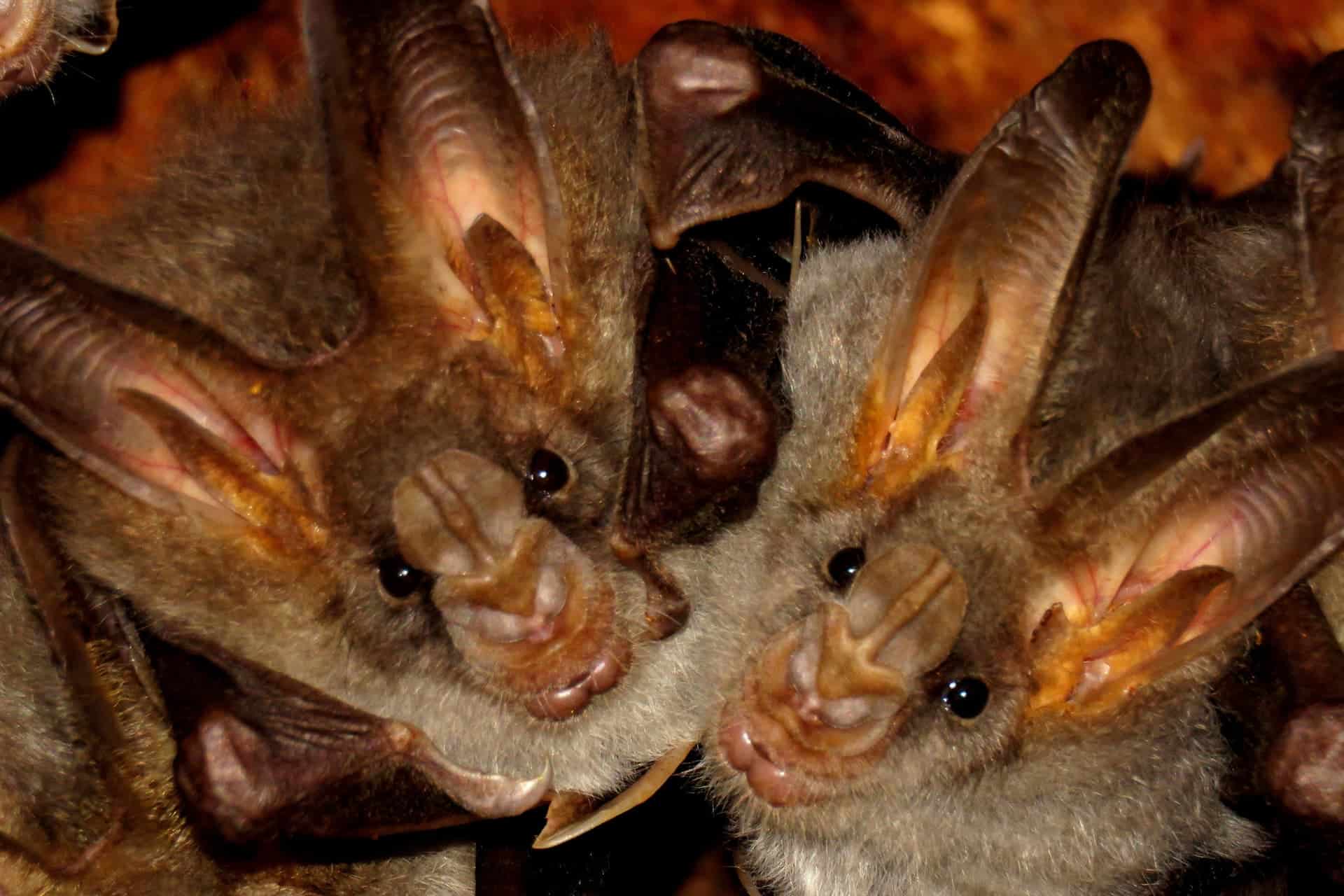
Bats are one of the most fascinating and misunderstood creatures on the planet. They’re hard to study, but their importance as insect predators and pollinators is undeniable. They also provide essential services to humans — from pollinating crops to cleaning up our skies with their famous sonar clicks. But here’s the kicker: many people don’t realize that bats actually eat mosquitoes! That means we have an opportunity for mutual benefit by helping them stay healthy and alive in our communities. Here are some ways you can get involved:
Donate to Bat Conservation Groups
According to the Wildfire Habitat Council, a number of companies in the United States are helping bats thrive in multiple ways. BoVegas online casino operator truly wants to head things in the right direction by preserving the ecological benefits of bat conservation. BASF, DTE Energy and LafargeHolcim are also engaging in the projects on their land.
You can also support bat conservation efforts by donating to a local wildlife rescue group or zoo. Your donation will help keep bats in the wild, providing them with food and shelter. Many zoos and aquariums have bat exhibits as part of their collections, so this is another great way to help.
Learn More About Bats
Bats are mammals. They have good eyesight, but they’re not blind. They’re also the only flying mammals on Earth (that’s right — they don’t fly like birds or bats). They eat mosquitoes, agricultural pests and diseases that can harm humans. In fact, bats help keep our forests healthy by eating more than 1 million tons of insects each year!
It’s a common misconception that bats are blind and use echolocation to navigate through their environments at night; however, this isn’t true at all! Bats use their big ears to listen for sounds in order to find out where food sources are located and then they eat them with their long tongues!
The reason why people think bats are aggressive is because some people hear stories about how humans have been attacked by these animals when we tried catching them for fun (which wasn’t very fun). But if you think about it logically: If someone was going after me because I’m human and not an animal… it wouldn’t make sense anymore would it?
So maybe those attacks happened because there were two groups of people with different interests who didn’t know how much damage each other could do until it happened — and then maybe one group decided that fighting wasn’t worth their time anymore after seeing what kind of damage could happen… or maybe both groups realized quickly enough that fighting wasn’t worth getting into another conflict where there might be injuries sustained on both sides.
Common Misconceptions
Bats are not blind, nor are they rabid. They do not get tangled in your hair or suck blood out of people’s ears. In fact, bats are one of the safest animals to keep as pets in your home (though it’s important to remember that they still need space).
Bats don’t fly away from wind chimes because they’re attracted to the sound — they fly away because they’re scared by loud noises.
If you hear a bat flying around at night outside your house or apartment building and think that something has gone wrong with its habitat (like a dead tree), don’t worry — it’s probably just looking for somewhere else to go.
Know Which Species Are Local to You
The first step to helping bats is knowing which species of bat are local to you. You can find out by contacting your local wildlife agency and asking them for a list of bats that live in your area. When you have this list, look at it and see if there are any differences between the species on your list and those listed for other areas around the world.
If there aren’t any differences between these lists, then we need more information! If two different kinds of bats share habitat with one another (for instance: American Myotis share their caves with Eastern Pipistrelle), then it’s likely that both could use help from humans as well.
Understand Why Bats Matter
Bats are important to the ecosystem and they have a natural pest control function. They also help pollinate plants, which means they’re more likely to be found in areas where there is an abundance of flowers or other flowering plants.
Bats are a good indicator of environmental health because they can’t fly away if their habitat is unhealthy for them or if there’s something that threatens their survival (like pesticides). The decline in bat populations is often associated with human activities such as deforestation and urbanization; however, not all bat species need lots of space — even small cities can support healthy populations if we learn how best to manage them.
Conclusion
If you’re looking for a way to help American bats, there are a few things you can do. First, get informed about bats and the threats they face. The best way to do this is by talking with friends and family members who know more than you do about bats. You may also want to visit your local library or bookstore and find some books on bat conservation.
When it comes time to donate money or time, consider donating your own money directly through organizations such as Bat Conservation International or Bat World Sanctuary Foundation instead of giving money directly yourself; this will help ensure that all donations go towards helping save bats rather than lining someone’s pockets at an organization where they would have received 100% profit from each sale made through their website/storefronts.