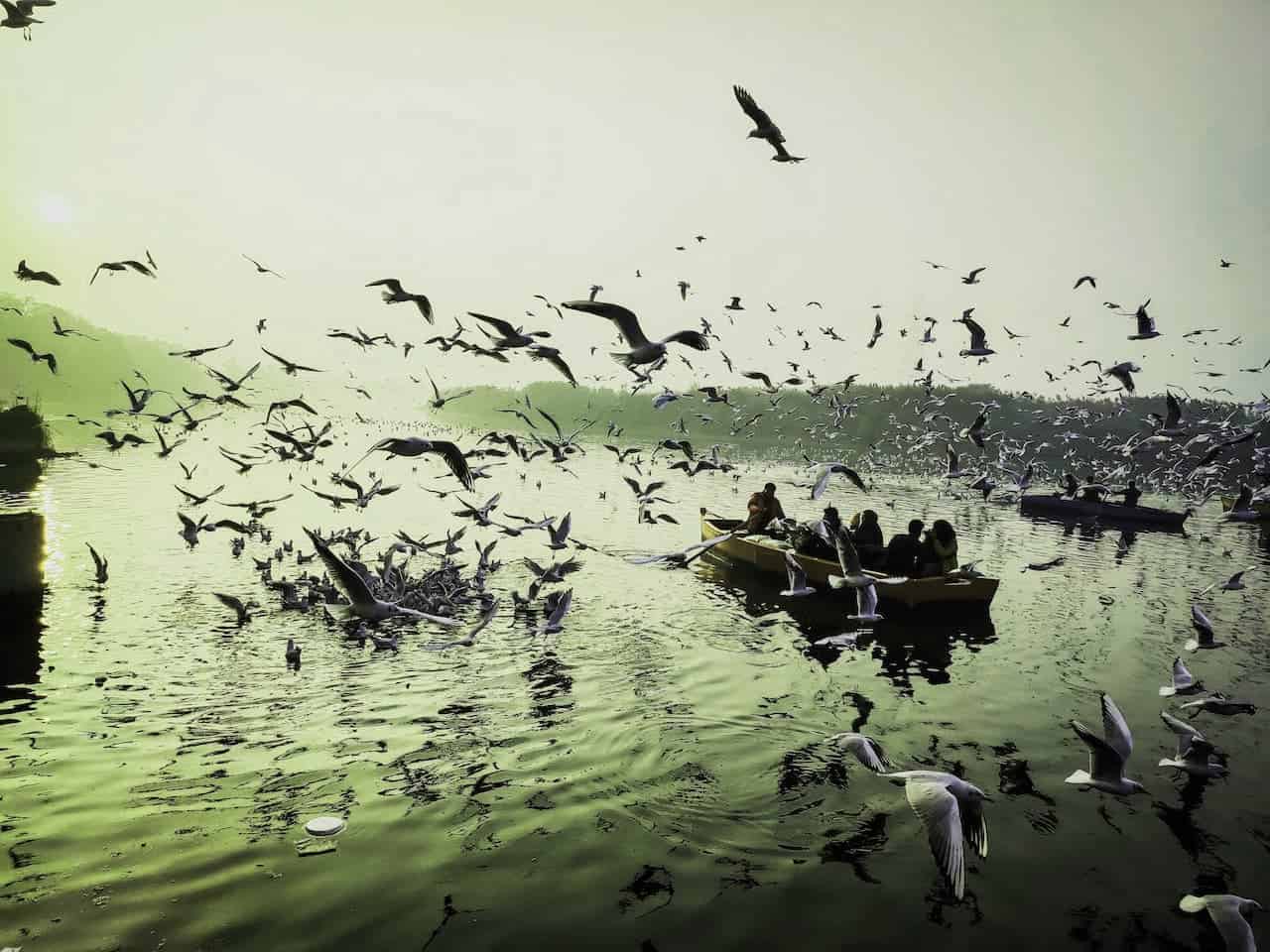
Every year, birds embark on an extraordinary journey as they migrate from their summer homes to their winter retreats. It’s an incredible feat of endurance, and one that has puzzled scientists for centuries. But can birds just stop migrating? What would happen if they didn’t make the journey?
There are a few reasons why birds might choose to stay put. One is simply that they don’t have the energy to make the long journey. Another is that they might not be able to find enough food along the way. But the most likely reason is that birds rely on migration to help them avoid predators and harsh weather conditions. By moving to a different location, birds can escape from predators that might otherwise lurking in wait, and take advantage of more favourable conditions.
So it seems that, for now at least, birds will continue to migrate annually. However, as environmental conditions change, it’s possible that birds may eventually give up their migration altogether. Only time will tell.
Why some birds may choose to stay in one place all year round
Some birds may choose to stay in one place all year round for a variety of reasons. For example, if the birds are native to the area and have established a territory, they may not see the need to migrate. Additionally, if the birds have access to food and shelter throughout the year, they may not feel the need to travel to find these resources. Additionally, some birds may be unable to migrate due to illness or injury. In these cases, staying in one place may be the best option for the bird. Ultimately, each bird makes its own decision about whether to migrate or not, based on a variety of factors.
Can birds adapt to a changing environment and refuse to migrate
As the world around us continues to change, so must the birds that call it home. For centuries, birds have been migrating according to the changing seasons, seeking out areas with more food or suitable nesting sites. However, as the climate continues to change, birds are being forced to adapt their migration patterns. In some cases, this means staying in one place year-round instead of migrating. While this may seem like a small change, it can have a significant impact on the bird population. Staying in one place means that birds will compete for resources, which can lead to decreased survival rates. Additionally, birds that refuse to migrate may not be able to find suitable habitat as the climate continues to change. As a result, birds that once flourished may now be struggling to survive.
What would be the consequences if a bird species stopped migrating
Every year, birds embark on a journey known as migration. For many species, this is a necessary part of their life cycle, as they need to travel to different parts of the world in order to find food or mate. However, what would happen if birds stopped migrating?
There would be a number of consequences if birds stopped migrating. One is that many species would become extinct. This is because migration often takes birds to places where there is an abundance of food or good mating opportunities. Without migration, birds would be confined to one area, which would eventually lead to them running out of resources and dying off. Additionally, the loss of migrating birds would have a major impact on the ecosystem. This is because birds play an important role in dispersing seeds and pollinating plants. Without birds to do this work, many plant species would die out, devastating local ecosystems.
In short, the consequences of birds stopping migration would be far-reaching and devastating. It is therefore vital that we do everything we can to protect these important animals and their habitats.
The most popular places where birds migrate
Every year, billions of birds undertake an amazing journey as they migrate from their summer homes to their winter grounds. While some birds travel only short distances, others may fly thousands of miles in search of food and shelter. Some of the most popular places for bird migration include the Amazon rainforest, the coast of California, and the Great Lakes region. No matter where they are headed, these incredible creatures never cease to amaze us with their strength and determination.
Using cloud technology to track bird migration
One of the most amazing phenomena in nature is bird migration. Every year, birds travel long distances to reach their breeding grounds. Traditionally, scientists have tracked bird migration by capturing birds and attaching tracking devices to them. However, this process is time-consuming and expensive. Now, thanks to cloud technology, there is a more efficient way to track bird migration. By collaborating with weather services and citizen scientists, researchers can use data from weather satellites to track the movements of large groups of birds. This information can help us to better understand the patterns of bird migration and the effects of climate change on birds.
How a developer can help the field of ornithology and join the ornithology team
Developers can help the field of ornithology in a number of ways. They can develop new software to help with data collection and analysis, design new ways to interact with birders and experts, and build new tools to aid in conservation efforts. developers can also join the ornithology team as a member and help with day-to-day tasks such as programming, data entry, and user experience testing. In addition, developers can help to raise awareness of ornithology by creating websites, apps, and other resources that birders can use to learn more about the birds they see. By helping the field of ornithology in these ways, developers can make a real difference in the world of birds.